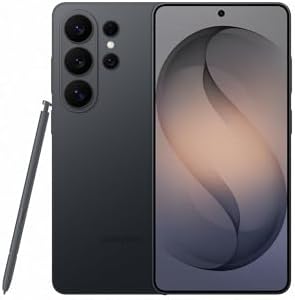
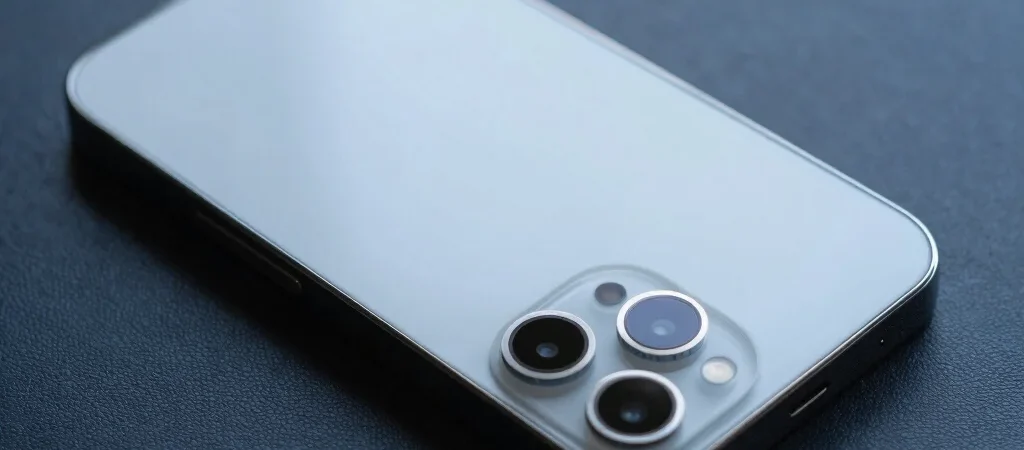
Smartphones under six hundred dollars have closed the gap with flagship models in bright sunlight, but performance hardware diverges sharply when lighting conditions become challenging. Testing cameras in low-light indoor environments reveals how effectively computational software balances exposure without introducing heavy grain.
Shutter Speed and Motion Capture in Low Light
Many mid-range sensors achieve brighter night shots by extending the exposure time, which works well for still scenery but causes noticeable blur with moving subjects like pets or children. Evaluating real-world camera speed means testing shutter lag when taking fast consecutive shots indoors.
Color Accuracy Versus Oversaturated Processing
Some manufacturers boost color saturation to make images pop on vibrant display panels, often turning skin tones unrealistically orange or skies unnatural shades of cyan. A balanced color profile allows for easier post-processing and yields far more realistic memories.
Evaluating Value Proposition in Mobile Tech
Determining the overall value proposition requires weighing camera reliability against battery endurance and software support windows. Our reviews contain disclosure guidance links where publisher commissions are earned on qualified retail purchases.